


If you’re in St. Augustine, FL, and thinking about straightening your teeth or fixing a bite issue, your first instinct might be to ask your regular dentist. An orthodontist, though, brings specialized training that can make all the difference in your results. Because a smile can change everything, it’s worth understanding who’s best equipped to help you get there.
What Does an Orthodontist Actually Do, and Why Does It Matter?
An orthodontist is a dental specialist who completes two to three additional years of residency training beyond dental school, focusing entirely on diagnosing and treating misaligned teeth, jaw issues, and bite irregularities. All orthodontists are dentists, but not all dentists are orthodontists. That distinction matters more than most people realize.
Your general dentist handles cleanings, fillings, and overall oral health. A board-certified orthodontist, by contrast, spends years learning the precise mechanics of how teeth move through bone. They study facial growth patterns, jaw development, and the complex relationship between your bite and your overall health. This depth of training is what separates a specialist from a generalist.
So what does this mean for you? Specialized credentials translate to safer, more effective outcomes. When a board-certified orthodontist in St. Augustine evaluates your teeth, they’re drawing on training specifically designed for the orthodontic experience you need. Having access to this level of specialized care close to home means you don’t have to travel far to get expert results.
How Your First Orthodontic Visit Works: From Consultation to Care Plan
Wondering what happens when you walk through the door for the first time? The process is simpler than you might expect.
Step 1: Your Free Consult
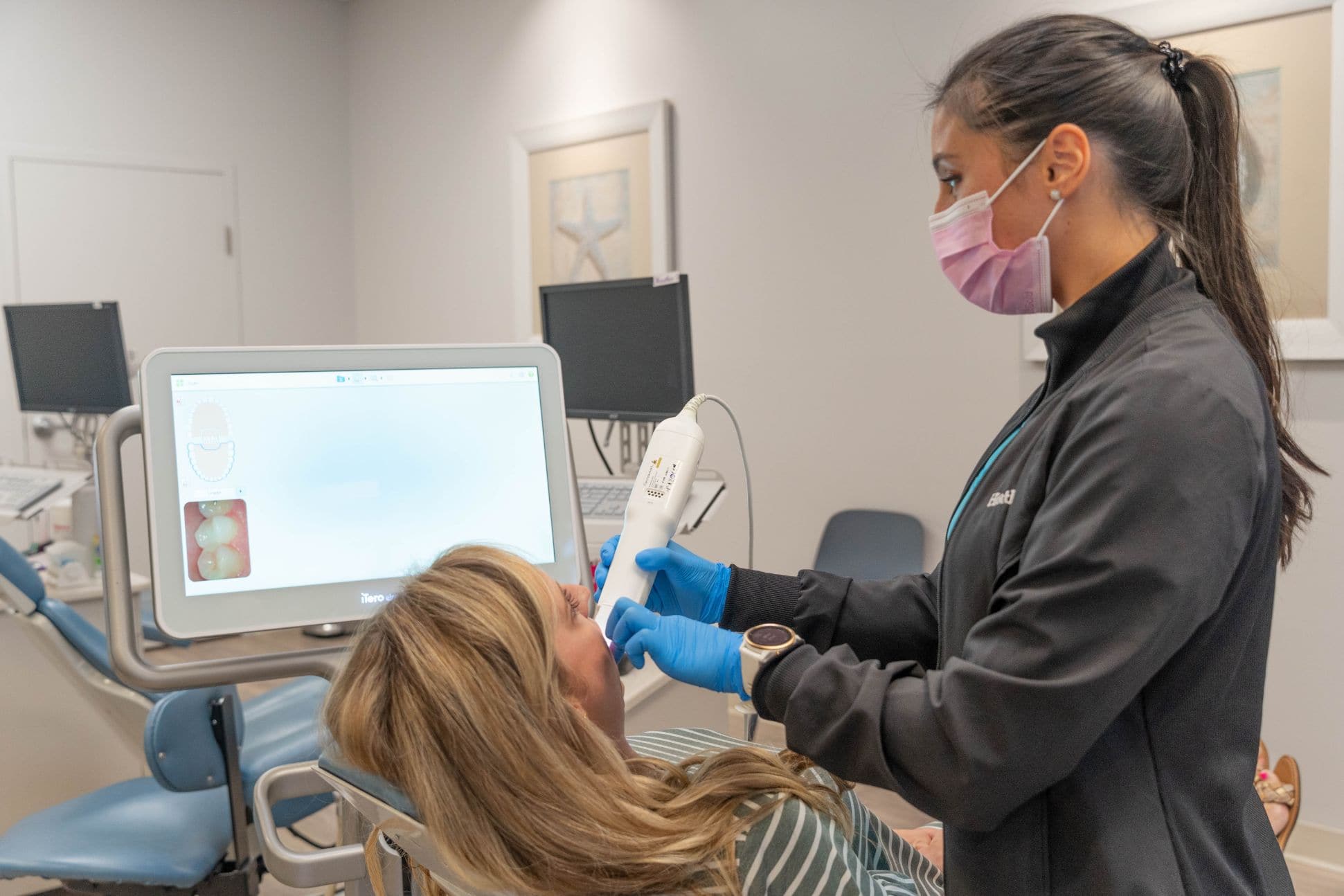
Your visit starts with a thorough evaluation, including digital imaging of your teeth and jaw plus a full oral exam. The orthodontist looks at how your teeth fit together, checks for crowding or spacing issues, and evaluates your jaw alignment. Most patients are surprised by how relaxed and quick this part feels.
Step 2: Your Individualized Care Plan
Based on what the evaluation reveals, you’ll receive a plan built around your specific needs. Timeline, recommended approach, all your options laid out clearly. No guesswork, no pressure.
Step 3: Choosing Your Approach
You’ll discuss whether traditional braces, Invisalign, or another appliance makes the most sense for your situation. This decision is collaborative. Your preferences matter, and the team walks you through every detail so you feel confident moving forward.
Step 4: Getting Started
Once you’re ready, your orthodontic experience begins. Regular check-ins help monitor progress and allow for any needed adjustments. Many practices in the St. Augustine area also offer flexible scheduling and virtual check-ins to fit your busy life, which makes staying on track much easier.
The goal is to make the entire patient experience smooth from start to finish.
5 Reasons Seeing an Orthodontist First Leads to a Healthier Smile
Why should an orthodontist be your first call rather than your last? Here are five good reasons:
How Do Straighter Teeth Improve Oral Health?
- Straighter teeth are easier to keep clean. When teeth overlap or crowd together, brushing and flossing can’t reach every surface. Properly aligned teeth reduce your risk of cavities and gum disease because you can actually clean them effectively.
- Correcting bite issues prevents bigger concerns. A misaligned bite doesn’t just look off. It can cause jaw discomfort, headaches, and uneven wear on your teeth over time.
Some patients don’t connect their chronic headaches to a bite issue until an orthodontist points it out. Fixing these issues early protects your long-term oral health and daily comfort.
Why Does Early Detection Save Money?
- Early detection saves time and money. An orthodontist spots developing issues that might not be obvious yet. Catching things early often means simpler, shorter care down the road, which also means fewer visits and lower overall investment.
How Does a Confident Smile Affect Your Life?
- A well-aligned smile boosts confidence. This one sounds simple, but the impact is real. People who feel good about their teeth tend to smile more freely in photos, during conversations, and at work. That kind of confidence ripples into social situations, job interviews, and everyday interactions. When you’re not thinking about hiding your teeth, you show up differently.
What Issues Can an Orthodontist Catch That Others Miss?
- Orthodontists catch what others might miss. Airway issues, breathing concerns, and jaw disorders sometimes surface during an orthodontic evaluation. A routine dental checkup may not reveal these, but an orthodontist is trained to look for them. According to the American Association of Orthodontists, early evaluation can identify airway and jaw concerns that affect overall health beyond just the teeth.
Braces vs. Invisalign: Which Option Is Right for You?
One of the most common questions patients ask is which option will work best. Here’s a straightforward breakdown:
| Feature | Traditional Braces | Invisalign | Spark/Angel Aligners |
|---|---|---|---|
| Visibility | Metal brackets visible | Nearly invisible trays | Nearly invisible trays |
| Removability | Fixed to teeth | Removable for eating/cleaning | Removable for eating/cleaning |
| Best For | Complex cases, all ages | Mild to moderate cases | Mild to moderate cases |
| Comfort | Adjustment period needed | Generally comfortable | Smooth edges, comfortable fit |
Traditional braces remain the most versatile option. Whatever your case may be, braces are a well-proven approach for both mild and severe cases. The brackets and wires give your orthodontist precise control over tooth movement.
Invisalign is used as an alternative to traditional braces and is designed to help guide teeth into the proper position. Just like braces, Invisalign uses gradual force to control tooth movement, but without metal wires or brackets. You’ll wear each set of aligners for about two weeks before switching to the next set.
Spark and Angel Aligners offer their own advantages, using a series of nearly invisible trays to gently shift your teeth into alignment.
Only an orthodontist can determine which option will actually work for your specific situation. That’s why the free consult matters so much.
What Affects the Price of Orthodontic Care in St. Augustine?
The price of orthodontic care depends on four main factors: the type of care chosen, case complexity, insurance coverage, and payment plan options. Most practices offer free consults so you know exact numbers before committing.
The type of care you choose plays a role. Invisalign and traditional braces have different price points, and your orthodontist’s team will explain what’s associated with each option during your free consult.
How does case complexity factor in? More involved cases typically require longer care and more visits, which affects the overall investment.
Insurance often covers a portion of orthodontic care, and that helps more than people expect. Beyond insurance, many practices in the St. Augustine, FL area offer affordable monthly payments that make quality care accessible. Every family deserves the results they’ve been hoping for, and flexible payment structures help make that possible.
Free consults remove the guesswork. You’ll know exactly what to expect before you commit to anything.
Investing in orthodontic care now often prevents more expensive dental work later. Properly aligned teeth are less prone to chips, cracks, and decay.
Who Should See an Orthodontist?
Almost anyone can benefit from an orthodontic evaluation.
When Should Children First Visit an Orthodontist?
The American Association of Orthodontists recommends that children have their first orthodontic evaluation by age seven. A board-certified orthodontist follows these AAO guidelines because early evaluations help ensure proper growth and development while there’s still time to guide jaw growth. At this age, most kids won’t need active care right away, but monitoring gives the orthodontist a head start on spotting anything that could become an issue later.
What About Teens and Orthodontic Care?
Teens make up the most common age group for orthodontic care, and for good reason. Permanent teeth are in, the jaw is still growing, and it’s an ideal window for correction. A beautiful, healthy smile matters to teens, and modern options offer fast, comfortable solutions that fit their lives.
Can Adults Benefit from Orthodontic Care?
Absolutely. Adults are never too old to improve their overall health and appearance. Modern options like Invisalign fit busy lifestyles perfectly, and there’s no upper age limit for achieving a straighter smile. Many adults in St. Augustine are choosing to invest in their teeth for the first time, or are addressing issues that weren’t corrected when they were younger.
Signs you might benefit from orthodontic care include:
- Crowded or overlapping teeth
- Noticeable gaps between teeth
- Overbite, underbite, or crossbite
- Jaw clicking or discomfort
- Difficulty chewing or biting
The only way to know for sure? An evaluation can help determine your options and give you a clear picture of what to expect.
Frequently Asked Questions About Visiting an Orthodontist
Do I need a referral from my dentist to see an orthodontist?
No referral is necessary. You can contact an orthodontic practice directly and schedule your free consult. Many patients do get recommendations from their general dentist, but it’s not required.
How long does orthodontic care typically take?
Orthodontic care typically ranges from 18 to 36 months, depending on individual needs. The severity of your orthodontic issues, the type of care chosen, and how well you follow your orthodontist’s instructions all influence the timeline.
Is Invisalign as effective as braces?
For many cases, yes. Invisalign uses gradual force to control tooth movement without metal wires or brackets. Your orthodontist will determine which option fits your specific needs best during your free consult.
What age should my child first see an orthodontist?
Age 7 is the recommended time for a first evaluation, according to AAO guidelines. This doesn’t mean care will start that young. It simply allows the orthodontist to monitor development and intervene only if necessary.
Are free consults really free?
Yes. Many orthodontic practices, including those in the St. Augustine, FL area, offer complimentary free consults with no strings attached. This gives you the chance to learn about your options, understand potential pricing, and ask questions without any financial commitment. You’ll walk away with a clear picture of what your care would look like, what it would involve, and how long it might take. There’s no obligation to move forward, and the information you get during that visit is yours to take home and think about on your own time.